Photo by Kent Pilcher on Unsplash
Heat can be a killer – literally.
Anyone who doesn’t have air conditioning or who has difficulty dealing with the heat and humidity knows how rough it can be, especially on those steaming hot days in Pennsylvania. We can seek out ways to stay cool, whether diving into our local pool or relaxing in the A/C at the mall, but our pets aren’t so lucky. They rely on us to keep them cool.
Fortunately, there are some easy ways to keep our pets cool, even if we have air conditioning, to avoid heatstroke. Let’s start, though, by looking at some of the common signs of heatstroke in pets.
Signs of Heatstroke in Pets
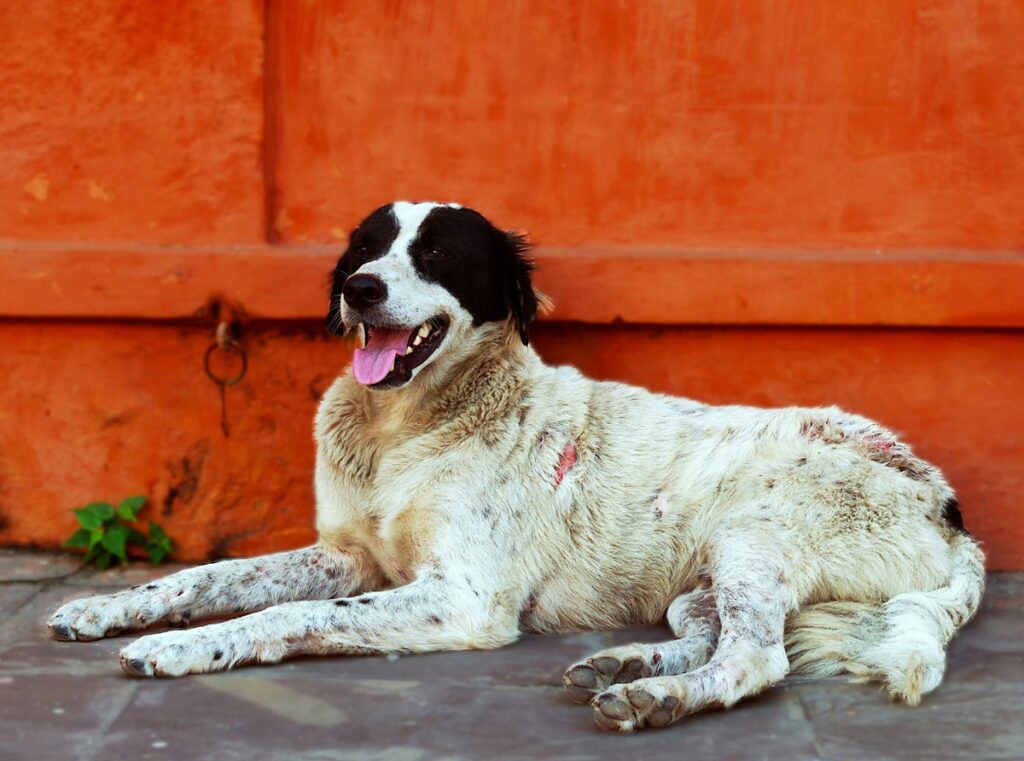
Heatstroke can kill quickly, sometimes in as little as a few hours. If you catch the signs early, though, your pet may have a good chance of survival. When it gets hot, keep an eye out for signs of heatstroke, including:
- Difficulty breathing
- Drooling
- Excessive panting
- Falling over
- Increased heart rate
- Lethargy
- Seizures
- Vomiting
- Weakness
Talk with your vet to discuss the warning signs for your type of pet, too, since all animals are different. A rabbit, for example, cannot vomit; an overheated bird may spread their wings to try to cool down, and a fish may become lethargic or gasp for air at the water’s surface. Knowing the signs of heatstroke is just as important as taking steps to help prevent it.
If you notice signs of heatstroke, move your pet to a cool area, and contact your vet immediately. For after-hours emergencies, make sure you have a list of local emergency veterinary practices that accept your type of pet. If you have an exotic pet, like a rabbit or a guinea pig, you might have a challenge finding an emergency vet, so prepare in advance by knowing which vets accept exotics.
Many cities and towns in Pennsylvania open cooling centers, some of which are pet-friendly, during extreme heat. Contact your local cooling center to find out if it allows pets.
9 Ways to Keep Your Pets Cool
Even if we are fortunate enough to have air conditioning, we have to be prepared for the what if’s. What if the power goes out? What if the A/C unit stops working? Even on the hottest days of the year, we can take simple steps to help our pets stay cool.
1. Provide plenty of water.
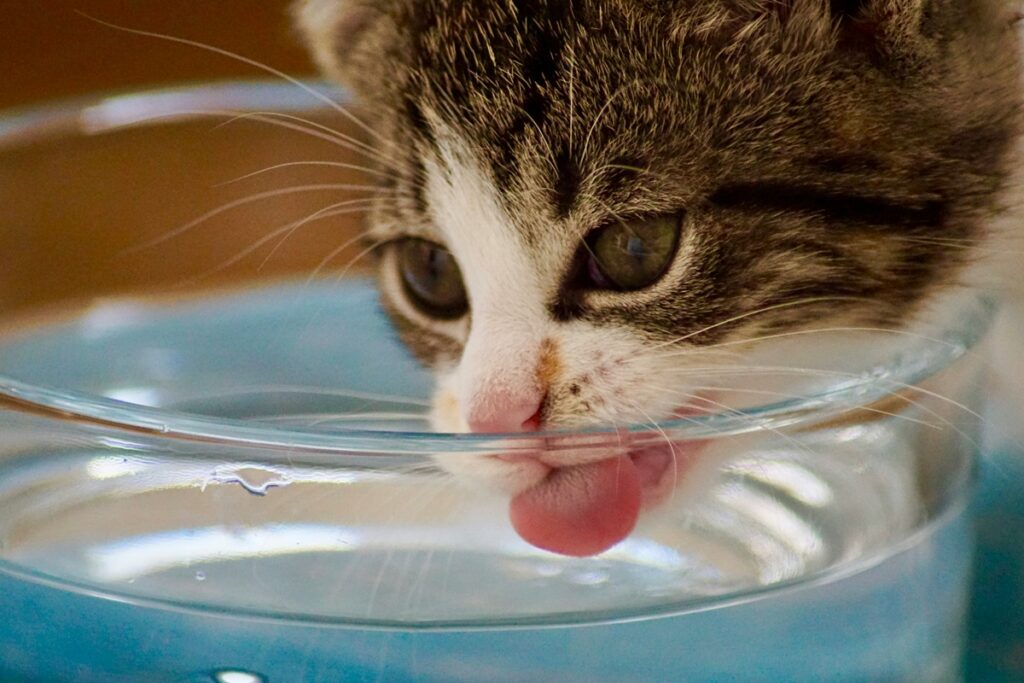
Staying hydrated is just as important for our pets as it is for us. Make sure your pet has enough water to drink and refill it as necessary. If you have animals, like rabbits or guinea pigs, who eat vegetables, consider soaking their daily greens in water, an easy and effective way to help them stay hydrated.
2. Keep your pets indoors.
While your pup might need to run outside to relieve himself, try to keep your pet, no matter what kind you have, indoors. If your pet has to be outside, make sure they have ample shade, a safe place to hide, and plenty of water.
3. Use frozen water bottles.
Overheating can be deadly for some of our pets, including chinchillas. While some pets may be able to lean directly on a frozen water bottle, an effective way to help them stay cool, chinchillas need an extra layer of protection. Wrap the frozen bottle in a towel (or you can purchase water bottle covers online) so your chin can lean against it.
Frozen towels are another popular way to help your pet stay cool. While you can purchase one online, if you’re in a pinch or prefer DIY, you can make your own.
Did you know chinchillas should never get wet? Because their fur is so dense, it is hard to dry. Wet fur poses the risk of respiratory illnesses and fungal infections.
4. Turn on a fan.
Place a fan so your pets can enjoy the air but make sure it’s not pointed directly at them. Some animals enjoy sitting in front of a fan while others don’t. You’ll likely figure out which category your pet falls into pretty fast.
Fans circulate the air and can help, particularly in combination with your A/C, keep you and your pets cool. But a fan’s effectiveness may be much less the hotter it gets, especially if you don’t have air conditioning.
5. Save walks for the cool parts of the day.
If you take your dog for daily walks, avoid going out during the hottest parts of the day, which, depending on your source, is typically between 2 p.m. and 4 p.m. or 3 p.m. and 6 p.m. Your best bet is to go out in the morning before it gets too hot or in the evening after the sun goes down.
6. Groom your pets.
If you have a pet with fur or hair, groom them regularly. Some animals – like rabbits and chinchillas – shed a lot. Regular grooming during the summer is essential to removing excess fur or hair and keeping your pet a little cooler.
7. Do not leave your pet alone in the car.
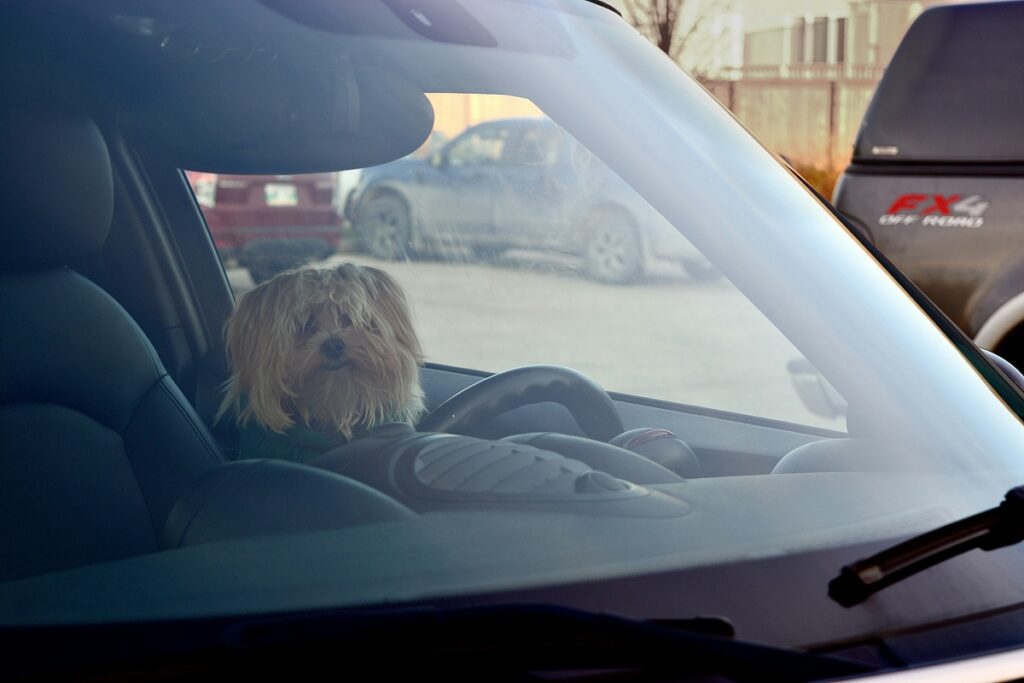
Never leave your pet alone in the car even on a cool day. Despite keeping the windows cracked to allow airflow, the temperature can quickly climb, as much as 20 degrees in only 10 minutes, creating dangerous conditions for your pet.
8. Offer a bath/pool.
Some pets, like birds, love a cool bath on hot summer days, even if they just jump and splash around for a minute or two. If you don’t have a pool, consider purchasing a small child’s pool for your pooch (if they like water) to play in on those sweltering summer days.
9. Be prepared.
We usually have some warning about impending heat waves, but we rarely know when the electricity will go out. Whether it’s keeping frozen bottles in the freezer just in case, purchasing a battery-powered filter for our fish tank, or buying a backup generator to keep the A/C going, having a plan should help make dealing with no electricity a little easier.
Pennsylvania’s weather is unpredictable, but one thing we can usually be assured of is we’re going to deal with at least a few heat waves. Knowing the signs of heatstroke will allow us to act fast but the best way to prevent our pets from overheating is taking simple and effective steps, including offering plenty of water and keeping them indoors on hot days.