Photo by Alberto Nicoletta on Unsplash
Being a pet parent comes with a lot of responsibilities, not the least of which is keeping your animal companion safe from dangers both in and out of the house. The list of plants that are toxic to pets is pretty long, which can make for a complicated trip to the garden center. Fortunately, though, there are also plenty of plants that are non-toxic, and even beneficial, to pets.
As with most pet-friendly things, not every plant is safe or non-toxic for every pet. Some pets may be allergic to certain plants, or certain plants simply may be unsuitable for certain types of pets. However, there are several that are generally considered safe across the board.
Safe Plants for Pets
African Violet (Saintpaulia)
The African violet is a favorite in many homes because of its long blooming time. It is considered safe for most pets, including reptiles and birds. The only possible exception is rabbits, though the evidence remains unclear, so your best bet is to be safe rather than sorry and keep away from your rabbits.
Boston Fern (Nephrolepis exaltata)
A classic choice, the Boston Fern is safe for most pets, and it is even recommended for birds and reptiles. Birds enjoy nibbling on its leaves, while the dense foliage provides excellent shade in terrariums. Furthermore, it helps maintain high humidity, which is good for both species.
Calathea/Rattlesnake Plant (Calathea lancifolia)
This universally safe plant is excellent for homes that don’t have a lot of natural light, as it is very low-light tolerant. It thrives in humidity, and its patterned leaves look like a rattlesnake tail, making it the perfect choice for a reptile terrarium.
Money Tree (Pachira aquatica)
This popular decorative tree is both low-maintenance and universally safe. It is ideal for reptile tanks because it thrives in high humidity, but it should be kept out of direct sunlight.
Parlor Palm (Chamaedorea elegans)
This small palm is easy to care for and thrives in lower light. It’s also considered universally safe and is a popular choice in bird habitats, with sprawling leaves that lend a jungle-like atmosphere.
Peperomia (Peperomia spp.)
These, small, resilient plants don’t require much – or any – attention to thrive. This is a diverse plant family that offers a number of varieties, all safe for pets.
Ponytail Palm (Beaucarnea recurata)
Though it’s not a true palm, this plant is easy to grow and generally pet-safe, though its ponytail-like leaves may invite nibbling.
Prayer Plant (Maranta leuconeura)
Also called maranta, this non-toxic plant is known for its broad, oval-shaped leaves that fold up at night.
Spider Plant (Chlorophytum comosum)
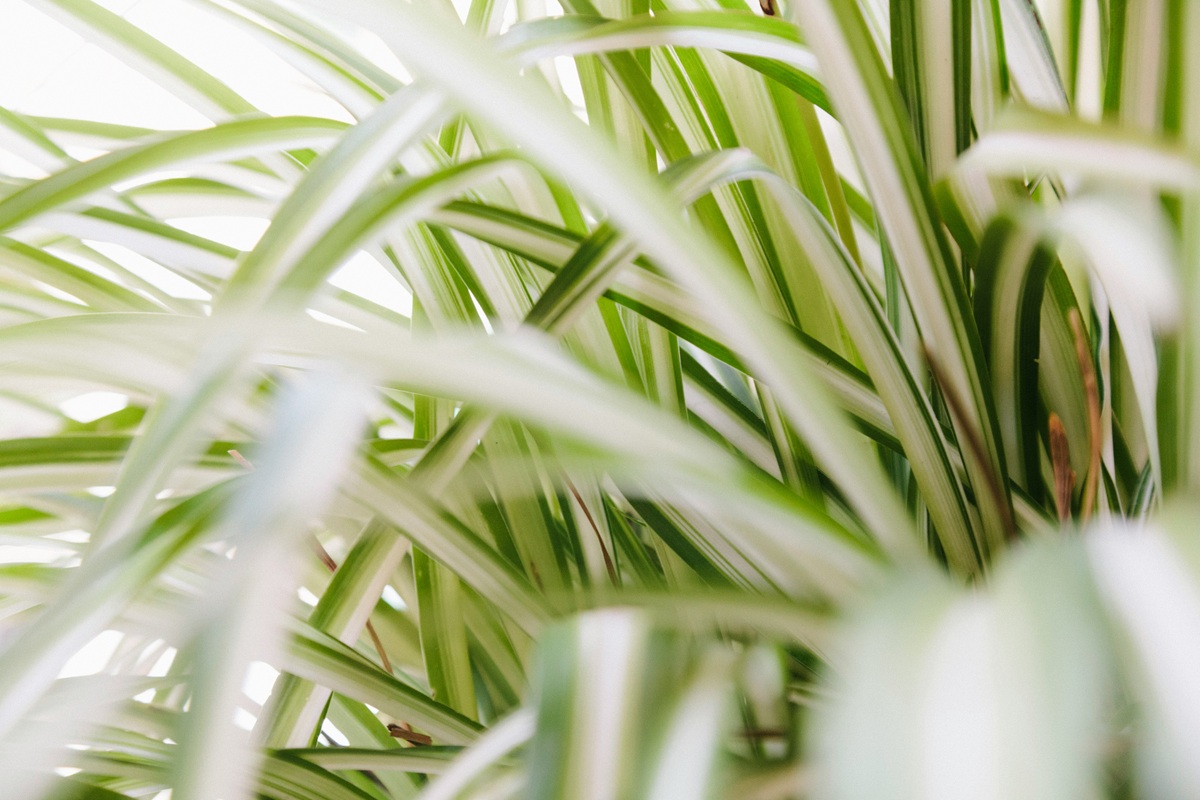
Considered “unkillable,” this hardy plant is non-toxic to pets. It’s an excellent choice for reptile parents, as it tolerates high humidity well and has dangling leaves that are ideal climbing and hiding spots for lizards and geckos.
Pet-Specific Choices
Some plants are especially (or only) beneficial to certain species. What’s great for a dog’s digestion may be toxic to a bunny, for instance. Here is a look at some of those.
Dogs
According to Chattanooga Holistic Animal Institute (CHAI), strong choices for a dog-friendly garden include:
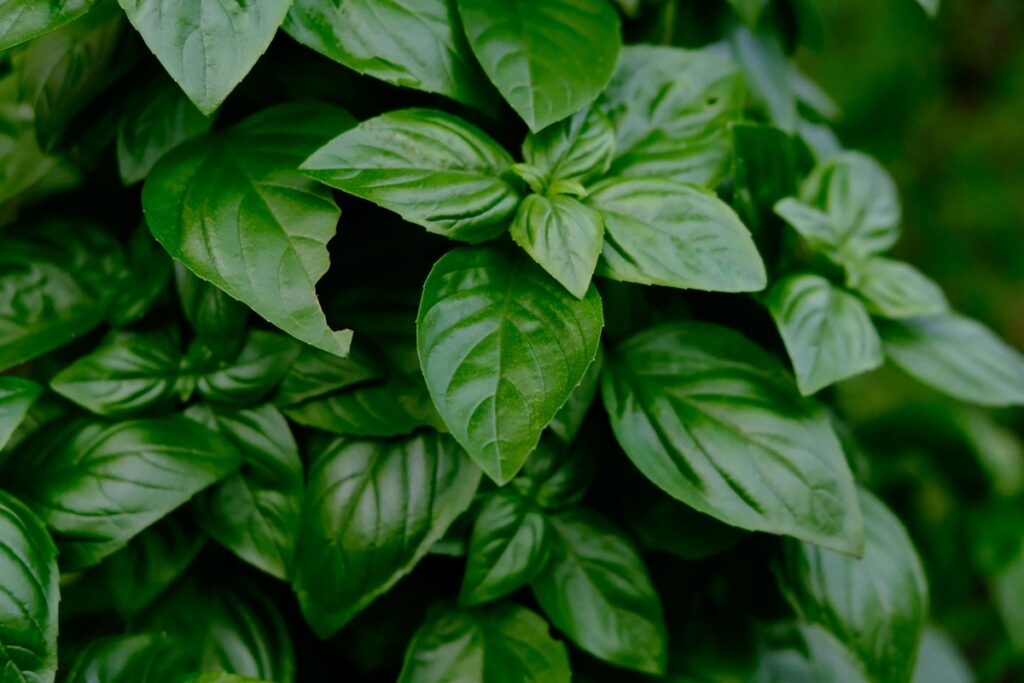
- Basil, popular in Italian cooking, has anti-viral and anti-microbial properties and is also an anti-oxidant, according to CHAI.
- Milk Thistle is an anti-oxidant and anti-inflammatory, according to CHAI. However, it can also be beneficial to your dog’s liver health. Use caution if your pet has environmental allergies.
- Peppermint, according to CHAI, is said to aid in gas relief, reduce nausea, and relieve stomach aches. Be sure to use only real peppermint, though, as peppermint-flavored items usually contain xylitol, an ingredient that is highly toxic to dogs.
- A mixture of valerian, chamomile and California poppy, according to CHAI, can lower your dog’s blood pressure and is a natural way to help him or her to relax in stressful situations.
Cats
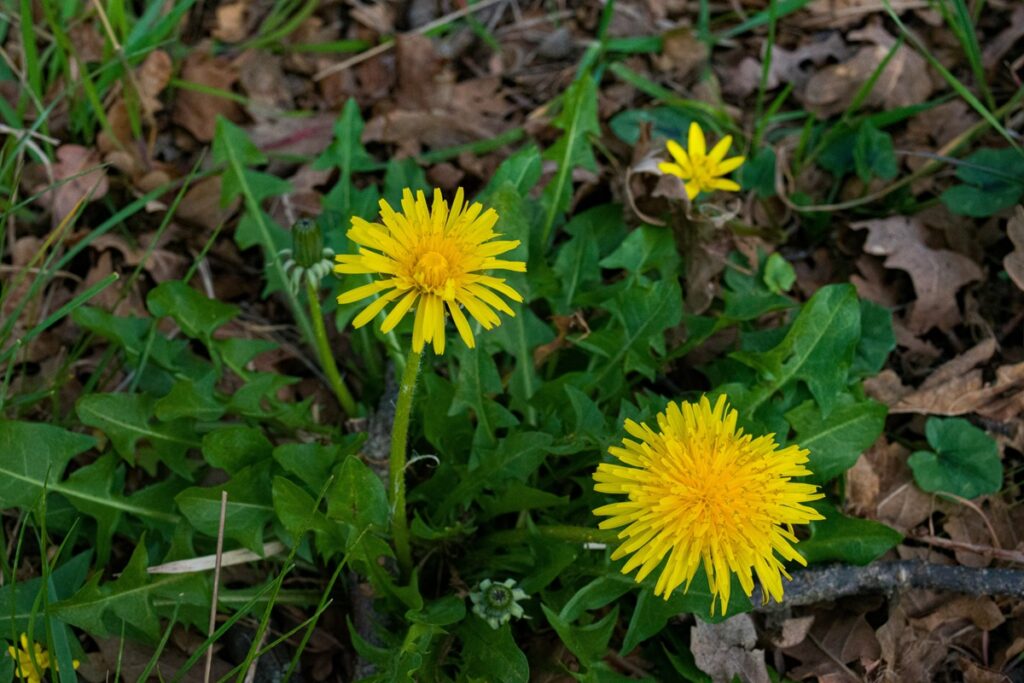
Cats love plants. While it’s not every day that you see a dog nonchalantly chewing on a bit of greenery – and it can indicate stomach upset – cats routinely nibble on plants. In fact, indoor cat owners are encouraged to provide a few pots of “cat grass” for their feline friends. And who can forget about cats’ love of catnip?
Cats Protection, a UK-based charity, lists numerous plants that are safe for your feline friend, including:
- African daisy
- Alyssum, Astilbe
- Beech
- Bells of Ireland
- Birch
- Busy lizzies (impatiens, balsam, sultana)
- Butterfly bush
- Calendula
- California lilac
- Camellia
- Catnip
- Cistus
- Cockscomb
- Coral bells
- Cornflower
- Cosmos
- Cupressus leylandii
- Curry plant
- Dandelions
- Echinacea
- Forget-me-not
- Forsythia
- Freesia
- Fuschia
- Gerbera daisy
- Globe thistle
- Grape hyacinth
- Hawthorn
- Hollyhock
- Ice Plant
- Jasmine
- Lilac
- Lisianthus
- Limonium
- Magnolia
- Mallow
- Mexican orange blossom
- Mock orange blossom
- Nasturtium
- Nemesia
- Nigella
- Pansy
- Petunia
- Phlox
- Potentilla
- Pussy willow
- Pyracantha
- Quince
- Red robin
- Rock rose
- Rose
- Rosemary
- Sage
- Scabiosa
- Sedum
- Snapdragon
- Spirea
- Stock
- Sunflowers
- Sword Fern
- Throatwort
- Treasure flower
- Valeriana officinalis
- Veronica, Violets
- Wallflower
- Water lilies
- Waxflower
- Weigela
- Willow
- Zinnia
Rabbits
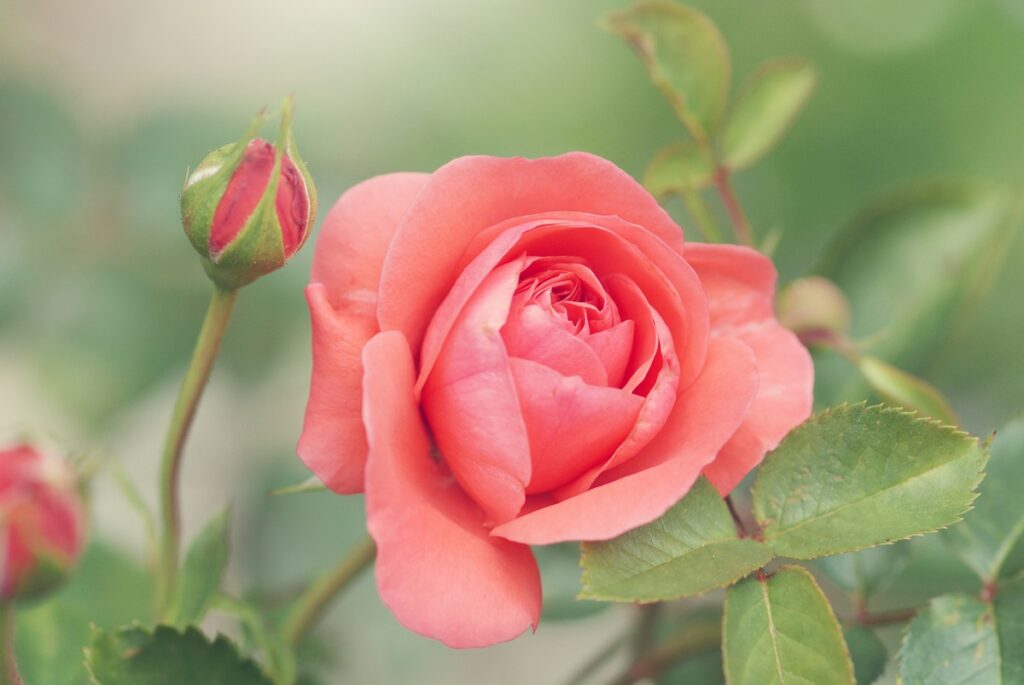
Like cats, bunnies adore plants and will, of course, eat them. However, rabbit parents need to be slightly more careful in choosing vegetation that’s suitable for a bunny. In addition to the houseplants listed above, there are a few good options for rabbit-safe (and edible) garden plants, listed by the Rabbit Welfare Association and Fund.
Roses are a safe choice, though they may not bounce back easily from your bunny’s foraging.
Lavender is another good choice, and according to the RWAF, strawberry plants and herbs like oregano and thyme can be planted as bunny-friendly garden borders.
If you aren’t sure if a plant is safe for your house rabbit, contact your veterinarian.
Reptiles
Choosing plants for reptilian friends is about more than just eating. For lizards and other reptiles, plants also can be places to hide or places to play. With those criteria in mind, here are a few good options for reptile-friendly plants.
- Members of the bromeliad plant family thrive in high humidity and can tolerate many types of lighting. They are brightly colored and can attach to surfaces other than soil. In addition, they store water in their leaves, allowing reptiles to drink from them.
- Philodendrons can tolerate a variety of light levels and climates, and they help maintain humidity levels while offering hiding spots.
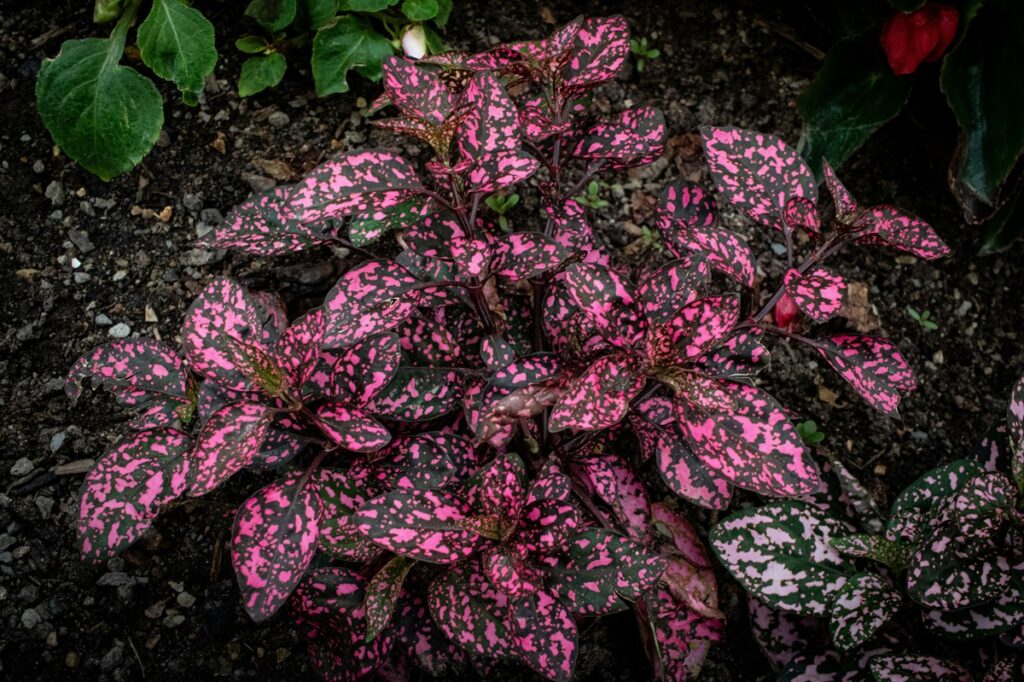
- Pink Polka Dot Plants offer good ground cover while thriving in both indirect light and high humidity. Their colorful leaves can brighten the terrarium as well.
- Sphagnum Moss absorbs and maintains water well, is good for maintaining humidity, and even helps keep the environment clean.
A Few Things to Remember
Always double check specifics
There are a great many plants in the world, some of them part of very large families with numerous varieties. While some of those varieties may be perfectly safe for your animal companion, others may be toxic.
Watch closely
Even if a plant is listed as non-toxic to your pet’s species, your furry, feathered, or scaly friend could have an allergic reaction. Also, ingesting too much of even the safest plant can cause gastric distress, just like a human overeating. Monitor your pet carefully when introducing a new plant into their environment.
Discourage bad habits with sensory choices
If you’re adding a plant that you don’t want your pet to nibble on, choose one with an off-putting texture.
Location, location, location
Hanging planters can help keep houseplants out of reach of many pets.
If you’re ever uncertain if a plant is safe for your pet, contact your veterinarian and, before feeding any plants to your pet, make sure you know the appropriate amount. Strawberries, for example, are safe for rabbits. However, they’re also high in sugar and should be given sparingly as a treat.