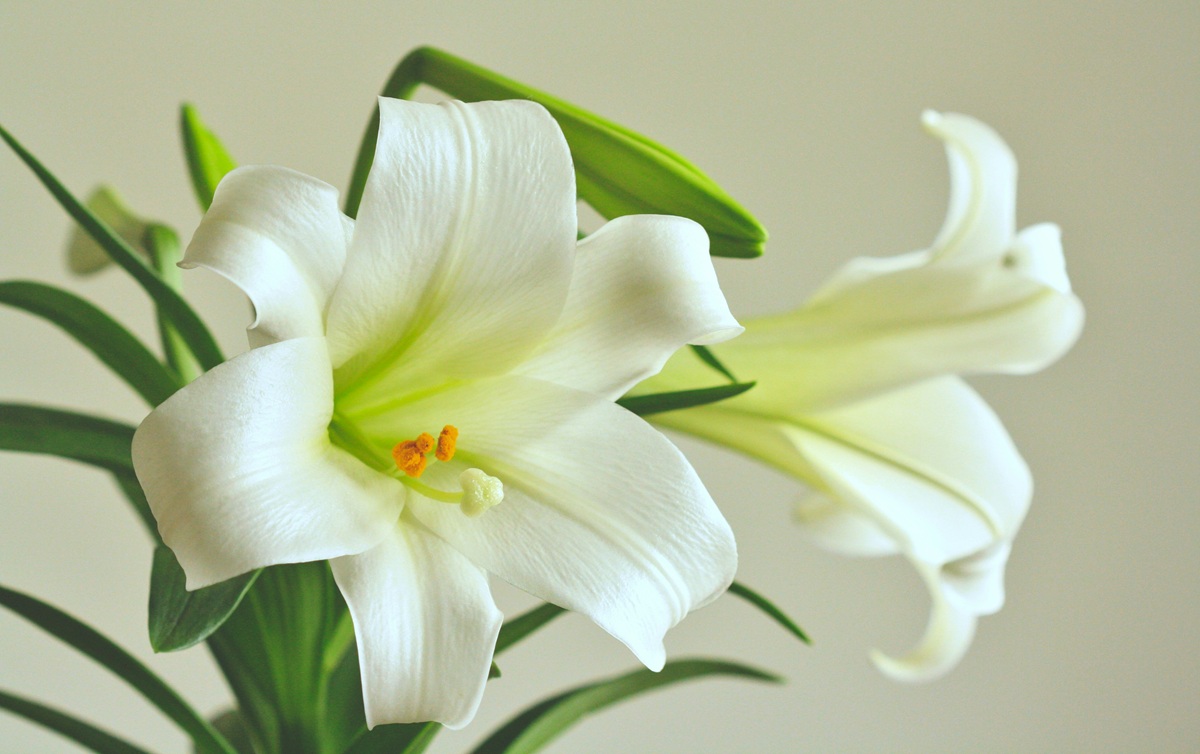
Photo by Ashlee Marie on Unsplash
Spring brings with it warmer weather, more sunshine, and blooming flowers and plants. If you’re a pet parent, though, a pleasant walk through a garden or the desire to bring some of that greenery and color into your home can come with some risks. There are numerous plants that are toxic to pets to varying degrees. Some plants are harmful to many animals, while others are only a danger to certain species. And, sometimes, only parts of a plant are toxic.
The following list of not so pet-friendly plants is by no means an exhaustive list, so you may want to be vigilant and do more research before introducing new plants into the household.
Universal Offenders
1. Angel’s Trumpet
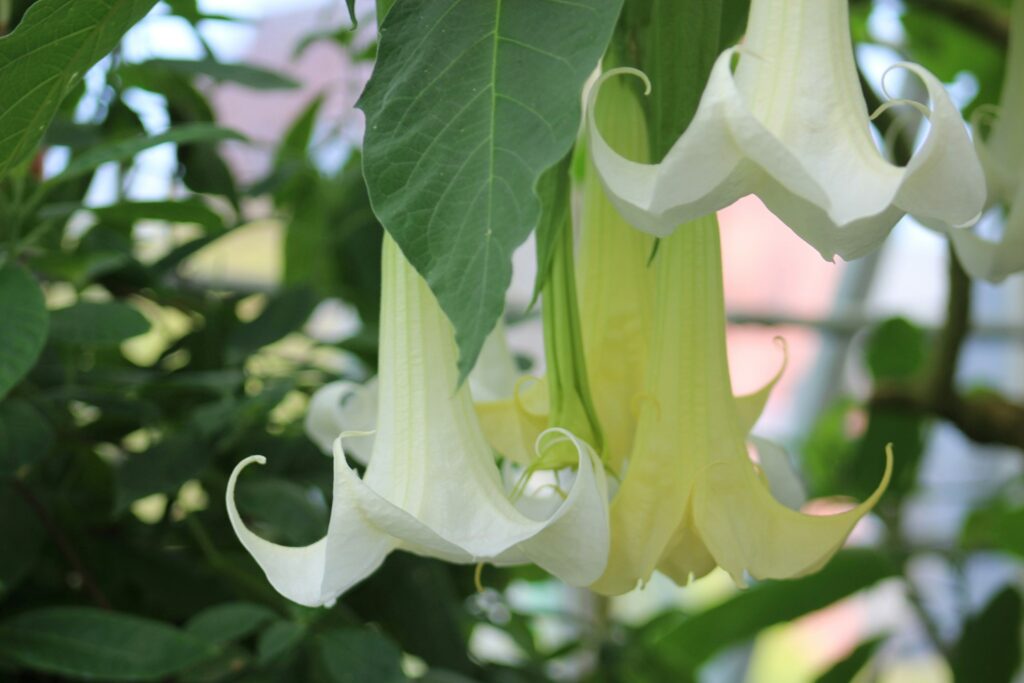
Angel’s Trumpet is perhaps the most dangerous plant on the list, simply because it is harmful to all animals. A member of the nightshade family, angel’s trumpet contains alkaloids. The highest concentration is in the large, white flowers, but these toxic compounds also are found in the berries, leaves, and bark. The plant can be hallucinogenic. Even in humans, it can cause increased heart rate, restlessness, and pupil dilation.
2. Oleander
Though it may not be harmful to every animal, all parts of this bush, whether dried or fresh, are dangerous to the majority, including pets like dogs, cats, rabbits, and birds. Very little of the plant is required to cause life-threatening symptoms such as cardiac distress and an elevated pulse. Gastroenteritis is another symptom, as are mydriasis, sweating, refusal to eat, nausea, vomiting, and bloody stool. Oleander can be fatal within a day.
3. St John’s Wort
Like oleander, St. John’s wort may not affect all animals, but it is toxic to many species, though its effects are a bit less severe. Photosensitization is a major symptom, along with intense itching, convulsions, blindness, and refusal to eat. Other signs include confusion and aggression. Dark-skinned animals, no matter the species, are rarely affected by the photosensitivity.
Multiple Targets
Many plants that are toxic to one animal are also toxic to others. Some may trigger only mild symptoms, while others may cause more severe reactions.
1. Aloe
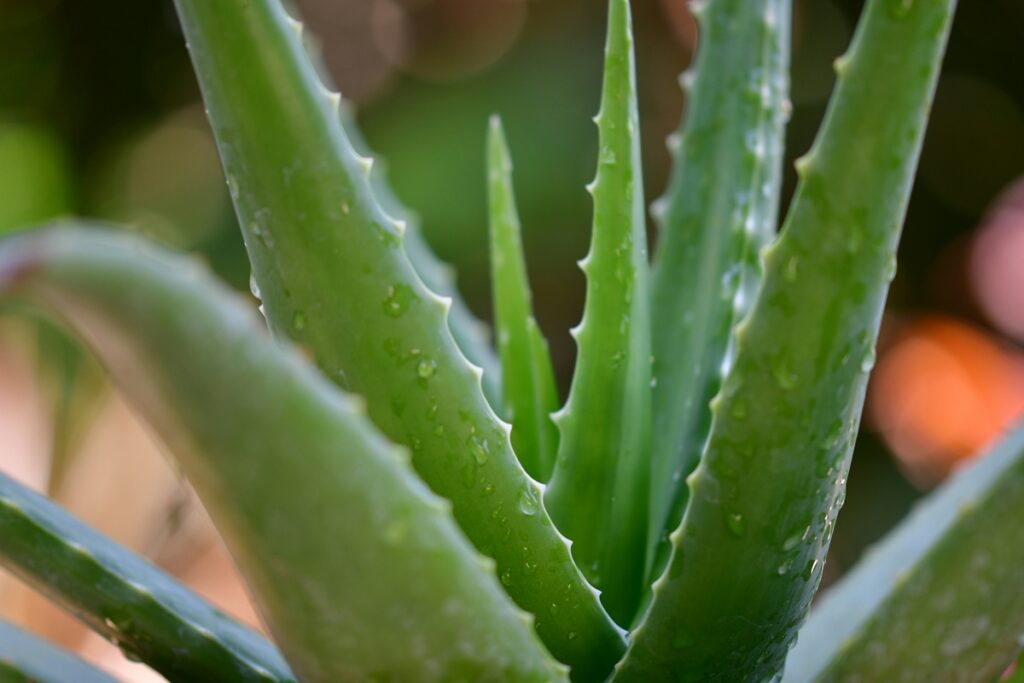
Though commonly used by humans to treat minor skin irritations, such as mild burns, it is actually toxic to dogs, cats, and horses due to anthraquinone glycosides. Aloe poisoning isn’t typically fatal, but it may cause tremors, vomiting, and diarrhea, as well as anorexia and depression.
2. Asparagus Fern and Box Honeysuckle
These plants have prickly stems that can cause temporary minor skin irritation in dogs, cats, and horses, as well as farm animals. Contact with the plant can lead to blisters, redness, and swelling, while eating the berries may cause your pet some mild stomach upset.
3. Calla Lily
All parts of this lily are toxic to dogs, cats, horses, and farm animals, owing to the calcium oxalate found throughout the plant. These microscopic crystals are released when any part of the plant is ingested or even handled, and its protein digesting enzymes also may cause inflammation. Eating calla lilies can lead to some pretty serious symptoms, including drooling, swelling, irritation, difficulty swallowing, vomiting, and diarrhea. Touching the plant can lead to contact dermatitis and even blockage of the windpipe.
4. Cape Plumbago
All parts of this plant are toxic to dogs, cats, horses, and farm animals due to a quinone called plumbagin. The main symptom is severe skin irritation.
5. Castor Bean
Toxic to cats, dogs, horses, cows, chickens, ducks, geese, turkey, rabbits
Castor beans and their foliage contain ricin, making them highly toxic to dogs, cats, rabbits, horses, cows, chickens, ducks, geese, turkey, and other birds. Symptoms can take a while to develop but may be severe and include weakness, sweating, and trembling, particularly in horses, who also may experience heart contractions. Gastrointestinal symptoms are also common, and it takes very little of the plant to cause medical issues. Interestingly, the oil made from the beans is not toxic because ricin is insoluble in oil.
6. Cherry Laurel
Many animals will eat this plant; in fact, the most recorded instances of poisoning in dogs and horses are from ingestion of cherry laurel pits and foliage. It is also toxic to cows and pigs, and symptoms are vomiting and abdominal pain.
7. Chinese Holly
Its berries contain gastrointestinal irritants called saponins, as well as tannin, cyanogenic glycosides, ilicin, ilexanthin and ilicic acid, which will cause all mammals discomfort after eating. The most common symptoms of poisoning are vomiting and diarrhea.
8. Chinese Wisteria
Due to the lectins and wisterin it contains, this plant can cause some scary symptoms in dogs, cats, or horses if it’s ingested. They include blood in vomit, diarrhea, and depression.
9. Common Boxwood
Steroidal alkaloids are among the toxic compounds that can make this popular shrub fatal to dogs, cats, horses, cows, and domesticated birds. Just a pound and a half is considered a lethal dose in horses. Symptoms include stomach ailments and bloody diarrhea. A lethal dose causes respiratory failure.
10. Daffodil

Toxic to cats, dogs, horses, cows, sheep
The bulbs of this popular spring plant contain alkaloids and other compounds that contain large amounts of nitrogen, making them dangerous for dogs, cats, horses, sheep, and cows. Symptoms of poisoning include vomiting and gastroenteritis, as well as convulsions.
11. English Ivy
Technically, this popular climber is toxic to cows as well as dogs, cats, and horses, but cows are able to recover from the effects of the saphonic glycoside within a few days. Other animals often don’t fare as well and can suffer from labored breathing, vomiting, and coma.
12. Foxglove
Every part of this well-known flower contains substances that are toxic to pets like birds and rodents. Symptoms of poisoning include weakness, tremors or twitching and a heart rate that is either slower or faster than normal. Severe poisoning can be fatal.
13. Geranium
Toxic to cats, dogs, horses, rabbits
Geraniol and linalool make this common houseplant dangerous for dogs, cats, rabbits, and horses. Signs can include vomiting, stomach upset, skin irritation, anorexia, and depression.
14. Japanese Privet
Toxic to cats, dogs, horses
Glycoside toxicity may affect dogs, cats, and horses, causing vomiting and diarrhea. While the entire plant poses a risk, the berries are the most harmful, sometimes causing an intoxicating effect. Small animals generally tolerate ingestion better, recovering from severe digestive issues. However, the plant has proven fatal to horses and cows.
15. Japanese Wisteria
Gastroenteritis, diarrhea, and depression can occur in any animal who ingests the seeds of this plant. Abdominal pain and vomiting are most common in dogs and cats. Vomiting blood and experiencing signs of dehydration are symptoms to watch.
16. Japanese Yew
Though it may be safe for some larger animals, this plant should be avoided if your pet is a bird or a reptile, as both find it highly toxic.
17. Lemon Verbena
A glycoside called aucubin can cause toxicity symptoms in dogs, cats, and horses. In large animals, these can include sweating, ataxia, and loss of muscle tone in the legs. Kidney failure and paralysis also have been reported.
18. Lenten Rose
This plant can cause neurological and gastrointestinal problems in dogs, cats, rabbits, and horses if ingested, but though it is considered highly toxic, there have been only a few documented cases of poisoning.
19. Lily of the Valley
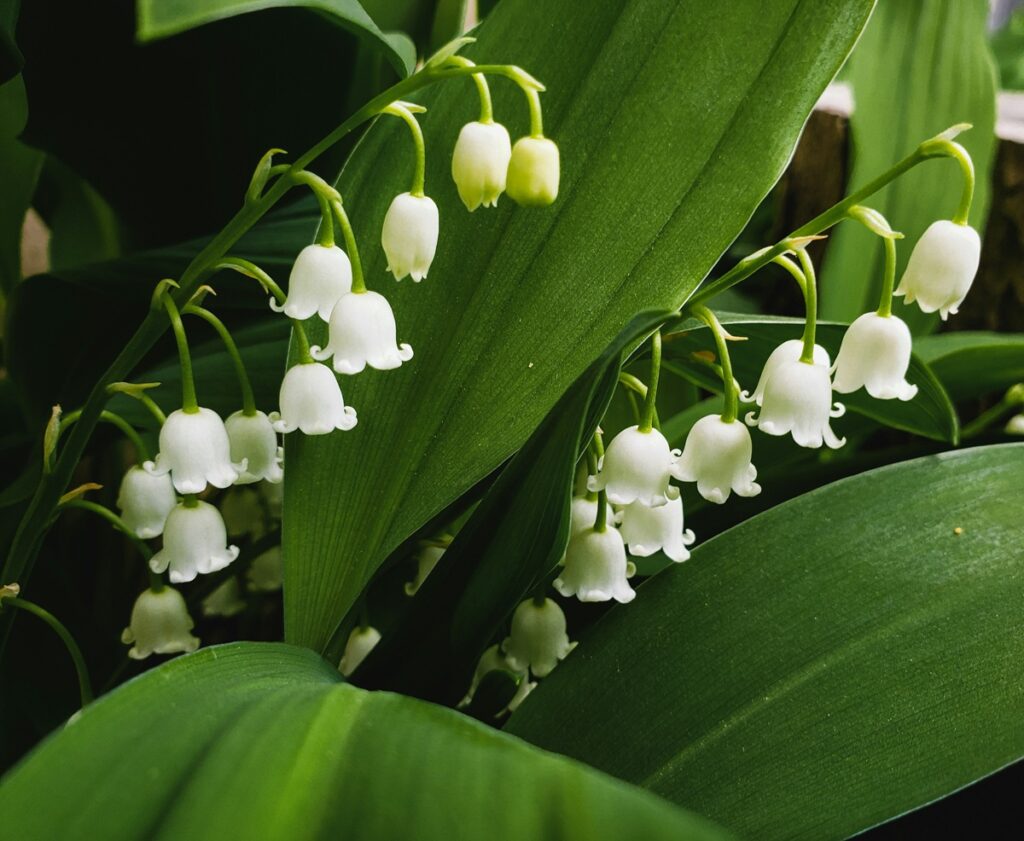
Birds and reptiles should avoid Lily of the Valley.
20. Lobelia
Lobeline is a relative of nicotine and can cause a variety of symptoms, both mild and severe, if a large amount is eaten, or if it is eaten regularly over a long period of time. Horses, cows, sheep, and goats might experience diarrhea, nasal discharge, extension of the neck, and drooping of the ears. These animals, as well as dogs, cats, and small rodents, might also exhibit depression, loss of appetite, labored breathing, and coma. The plant can be fatal, usually due to cardiopulmonary collapse.
21. Persian Violet
Terpenoid saponins can cause symptoms like vomiting, diarrhea, skin irritation and colic, as well as more severe problems like seizures and an abnormal heartbeat in dogs, cats, and horses. Severe cases may be fatal; however, the plant is known to have an extremely bad taste, which may discourage your pet from taking a bite.
22. Philodendron
Birds and reptiles are among the pets that find this common houseplant dangerous. Oral pain, stomach upset, and even difficulty breathing can occur if it’s ingested.
23. Poinsettia
A common sight at Christmas, these plants, like the lilies that grace many homes at Easter, can be toxic to a variety of pets, including cats and reptiles.
24. Potato Vine
Not to be confused with the common vegetable, this vine is found both in the wild and as an ornamental plant in homes. Its toxicity varies, depending on its age and what part of the plant is ingested. Ingestion affects the nervous system, and symptoms can include apathy, drowsiness, dyspnea, trembling, salivation, progressive weakness, and paralysis. Unconsciousness can occur.
25. Rhododendron
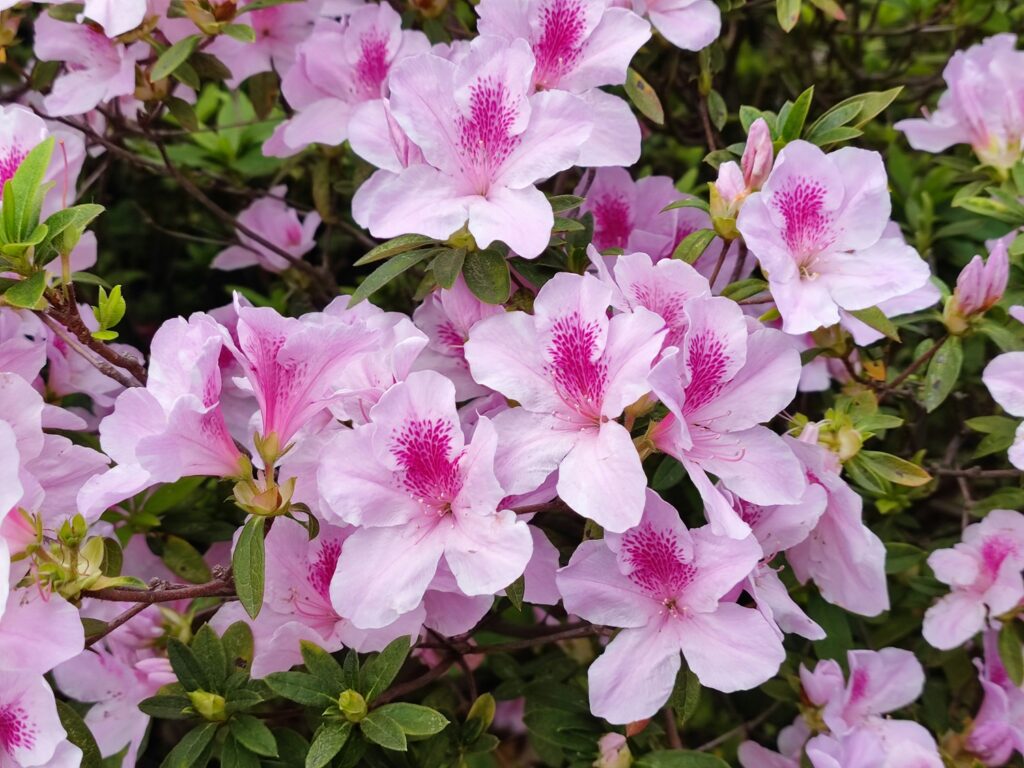
Though it is a common houseplant, the rhododendron isn’t for households that include reptiles or birds.
26. Siberian Iris
The entire plant contains irisin, resinoids, and pentacyclic terpenoids that are harmful to dogs and cats. Stomach pain and vomiting are common symptoms after eating, but touching the sap also can cause skin irritation. Pets who ingest this variety of iris also could experience diarrhea, vomiting, ulcers, sores, and bleeding in the digestive tract.
27. Snowberry
The roots of this fairly rare native Pennsylvania plant are the most toxic. It grows mainly in the wild, endangering pigs as they dig and root. However, dogs and cats also sometimes come across it and experience nausea, vomiting, and dizziness.
28. Singular Species
Some plants only pose a risk to animals of a certain unlucky species. These are some of the other plants to watch if your pet is a cat, reptile, or fish.
Cats
Daylily
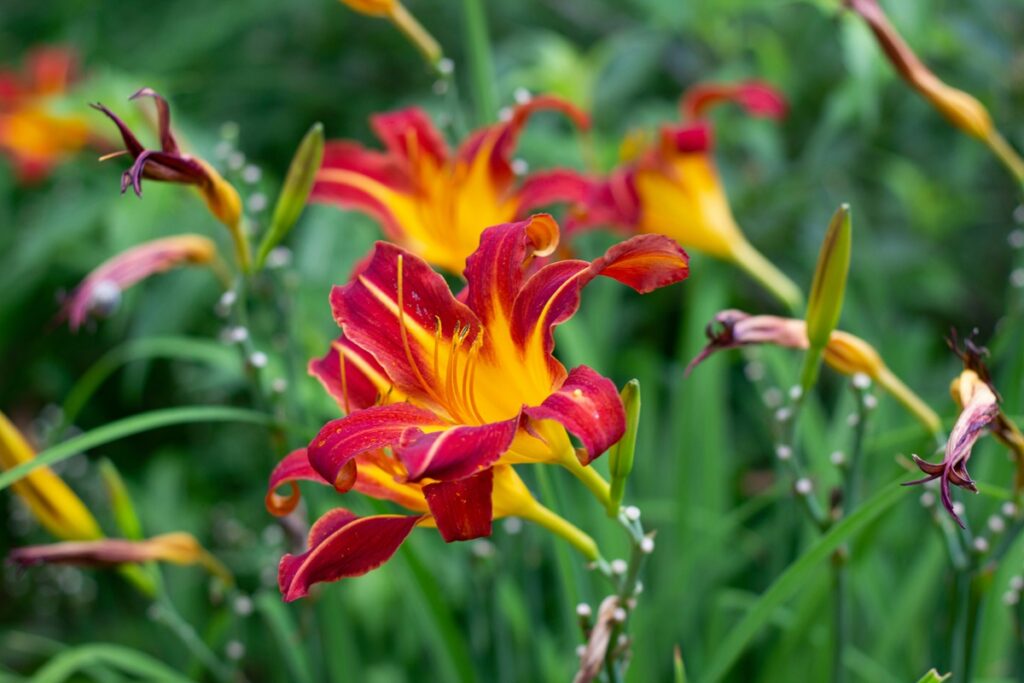
All parts of the daylily and (any lily variety) are toxic.
Reptiles
- Acokanthera – all parts except ripe fruit
- Amaryllis
- Azalea
- Bird of Paradise
- Black Locust
- Braken Fern – Pteridium aquilinum
- Buckthorn
- Burdock
- Buttercup
- Caladium
- Clematis
- Coral Plant
- Crocus (autumn)
- Daphne
- Death Camas
- Delphinium
- Devil’s Ivy
- Dieffenbachia (dumb cane)
- Elephant’s Ears or Taro
- Euonymus – filit, bark, leaves
- European Pennyroyal
- Four o’clock
- Heliotrope
- Henbane
- Hyacinth
- Hydrangea
- Jack-in-the-Pulpit
- Jonquil
- Juniper
- Lantana
- Larkspur
- Laurel
- Mistletoe
- Mock Orange
- Morning Glory
- Narcissus – Narcissus spp.
- Peony
- Periwinkle
- Poppy
- Pothos
- Primrose
- Rosary Pea
- Sage
- Shamrock
- Skunk Cabbage
- Snowdrop
- Sorrel
- Spurges
- Star of Bethlehem
- Tulip
- Virginia Creeper
- Vetches
- Waxberry
Birds
Birds can be delicate creatures, and there are so many different types with different nutritional needs that compiling a list of plants dangerous to all of them is very difficult. However, in addition to some of the plants already listed, one stands out as quite toxic to birds in general.
Dieffenbachia
If birds ingest this plant, it can cause stomach upset, mouth pain, and difficulty breathing.
While this is not an exhaustive list of toxic plants to pets, it’s a good start. Before bringing any new plants home, do a quick search to ensure they are safe for your pets.
Looking for fun pet-friendly things to do in Pennsylvania? Go on a pet-friendly hike or explore on one of the best pet-friendly day trips in Pennsylvania.
Sources
Toxic plants: UC Davis School of Veterinary Medicine
Reptiles: Reptiles Magazine
Birds: VCA Animal Hospitals
Rodents: RSPCA