Photo by Michał Robak on Unsplash
Winter in Pennsylvania throws a lot our way – snow, ice, bitter cold, and spring-like spurts every now and then – and we’re used to the extra work of getting up early, defrosting the car, and shoveling out our driveway or parking spot. But when a winter storm is about to hit? We have to prepare for potential power outages and frozen pipes, which can be even more stressful if we have pets.
Some of these tips are specific to winter in Pennsylvania, but others are good to keep in mind any time of the year. Let’s start, though, with Libre’s Law, legislation that’s designed to protect our pets.
Libre’s Law
While we can take precautions to protect our pets in the winter, the state has also taken action to ensure animals do not suffer. Signed into law by Gov. Tom Wolf in 2017, Libre’s Law provides additional legal protection for dogs. Dogs, who are tethered, can only be left outside for 30 minutes at a time if the temperature is below 32 degrees Fahrenheit or above 90 degrees Fahrenheit.
Prepare Ahead of Time
Winter storms usually don’t sneak up on us, with meteorologists warning us of potential snowfall at least a few days in advance. That allows us to prepare for potential power outages and frozen pipes, but we don’t necessarily have to wait to start taking action. We can take several precautions long before snow enters the forecast.
1. Create a backup plan.
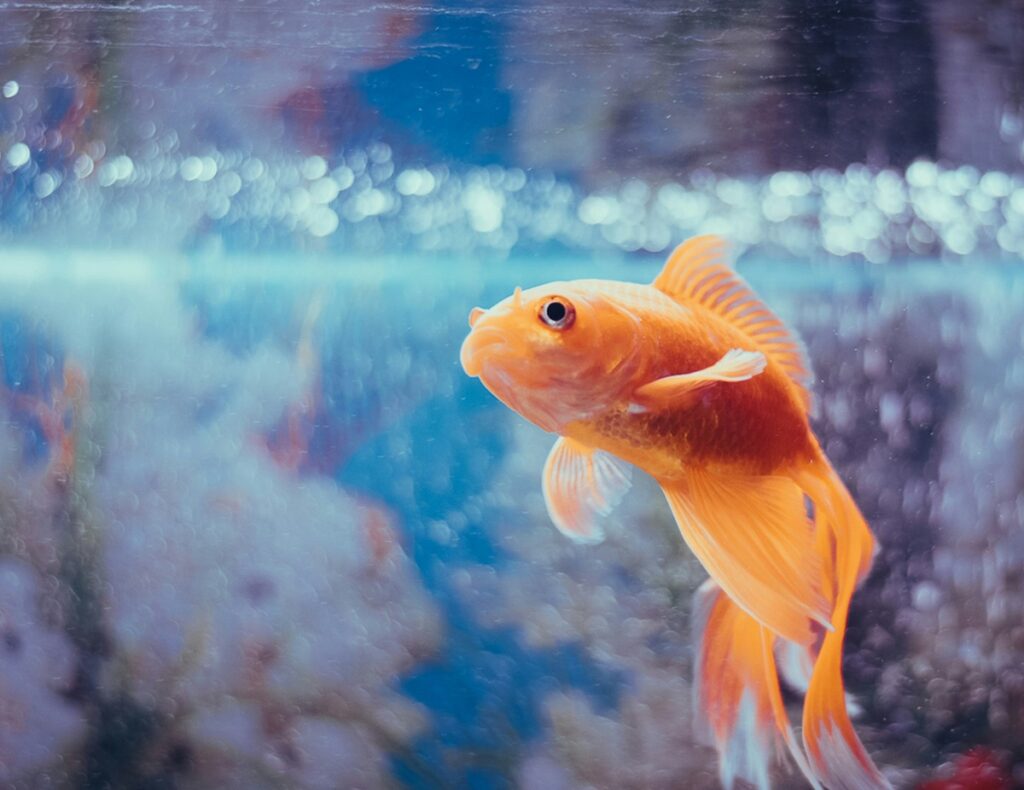
Knowing ahead of time what you’ll do if the power goes out or the pipes freeze means you won’t be as stressed if it happens. A power outage can be deadly for some animals, including reptiles, fish, and amphibians who may require a certain temperature or an air pump. (You can buy a battery-powered air pump for aquariums.) Knowing what you need – like an air pump for your aquarium – will allow you to have everything ready when you need it.
2. Stock up on food.
If winter storm Fern taught us anything, it’s the importance of stocking up. Have at least a week of food for your pets. Even after the storm passes, we may still have to deal with icy, dangerous roads, and digging out, so it’s always better to have more food than to worry about running out.
3. Make sure you have enough water.
Pipes freeze even if we do everything right. We can let the faucets drip, open kitchen and bathroom cabinet doors, and keep the thermostat consistent, and the pipes still might freeze. Have at least a week of water, enough for your family and your pets, in case you don’t have access to fresh water. A gallon of water a day per person is the general rule of thumb.
4. Stock up on supplies.
Stocking up is probably the first thing we plan to do when we hear “snow.” Toilet paper, milk, and bread are the go-to for Pennsylvanians, but don’t forget everything – treats, litter, and medication – your pets might need, too.
5. Look for pet-friendly warming centers.
Some communities in Pennsylvania host warming centers for those who don’t have a warm place to go when the temperatures drop. Before the next cold spell or winter storm, find out if you have a warming center in your city or town and if it is pet-friendly. Pet-friendly warming centers generally have rules, such as having your pet in a carrier or on a leash.
Most of these are common sense tips for preparing for a winter storm with pets. But, it’s easy to overlook what might seem like the obvious when we’re stressed about an upcoming storm. The key is to be prepared for whatever happens (or, if we’re lucky, doesn’t happen).
Tips for Keeping Your Pets Safe in the Winter
Winter, especially the cold, can be rough on a lot of us. Keeping our pets safe in the winter, though, is pretty simple.
1. Keep your pets indoors.
We’ve all likely seen that meme, usually with a forlorn husband or a bear, saying in a thought bubble, “If you’re cold, they’re cold. Bring them inside.” Keep that in mind with the cold in the winter (and the heat in the summer), and keep your pet indoors as much as possible in the winter, especially when the temperatures plunge.
2. Make trips outside short.
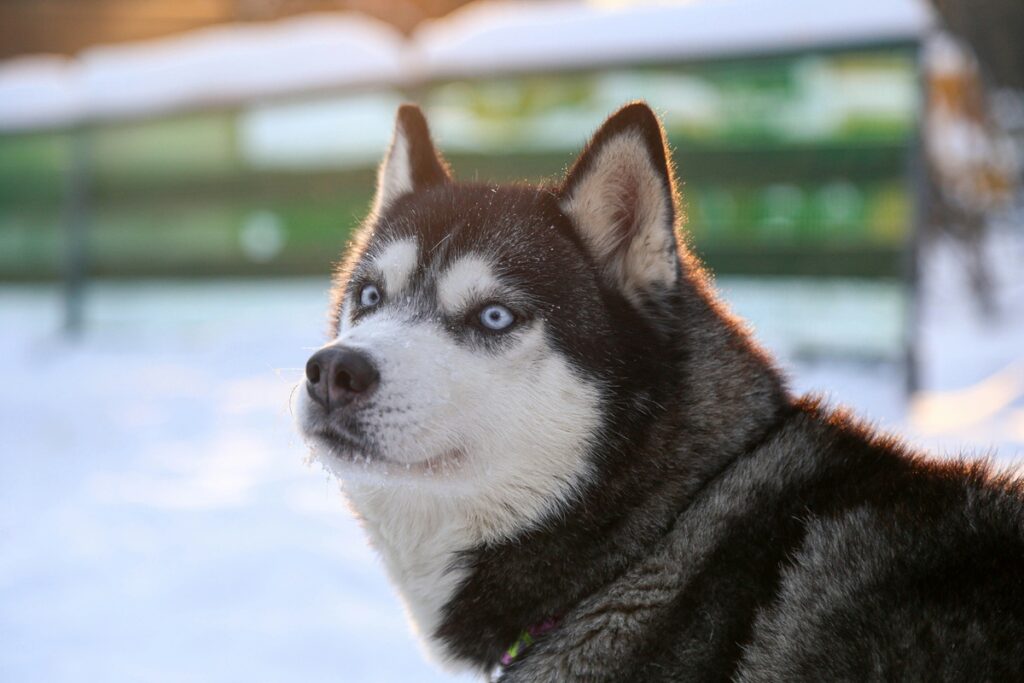
Make trips outside with your pets short unless you have a breed that thrives in the cold. Some breeds, like Bernese mountain dogs and Siberian huskies, have double coats and love the cold and the snow. If you don’t have a dog who loves the cold weather, try to stick to going out only for bathroom breaks, especially when it’s bitter out.
3. Consider shoes and a coat for your dog.
Some dogs are like kids when it comes to coats and footwear and will fight not to wear them. However, snow boots or shoes will protect your dog’s feet, from the cold and salt and other de-icing products, especially those that may not be pet safe.
4. Only use pet-safe salt and de-icing products.
Look for salt and de-icing products labeled “pet-friendly” or “pet safe.”
5. Keep your dogs on a leash.
Even the most well-trained and best behaved dogs get lost when it’s cold and snowing out. Dogs often lose their scent in the snow, making it difficult to find their way back to you. Avoid your dog getting lost by keeping them on a leash when there’s snow on the ground.
6. Wash your dog after they come inside.
Even if you’ve used pet-safe salt or other de-icing products, wash your dog’s paws and belly off after they come inside. You don’t want them to ingest the products, and drying them off afterward will help warm them up.
7. Give your pet a warm place to sleep.
Most of us enjoy cozying up under the covers on a cold winter day, and our pets are no different. They just want to stay warm, too. Keep your pet’s bed away from drafts, but don’t put it too close to the fireplace or wood stove, if you have one.
8. Check their microchip.
Dogs can become disoriented from losing their scent in the snow, but they’re not the only ones who can get lost in the snow. Our other pets may inadvertently slip out of an open door, even if you open it briefly. Ensuring they have a microchip – and the information is up-to-date – will help you reunite if they get lost.
9. Stay on top of your pet’s health.
Cold weather can be painful for us and our beloved pets. Keep an eye on your pet, especially if they have a chronic condition. Older pets may have arthritis, for example, that acts up when the weather changes and might need medication or extra care.
How You Can Help Outdoor Animals in the Winter
1. Check under the hood of your car.
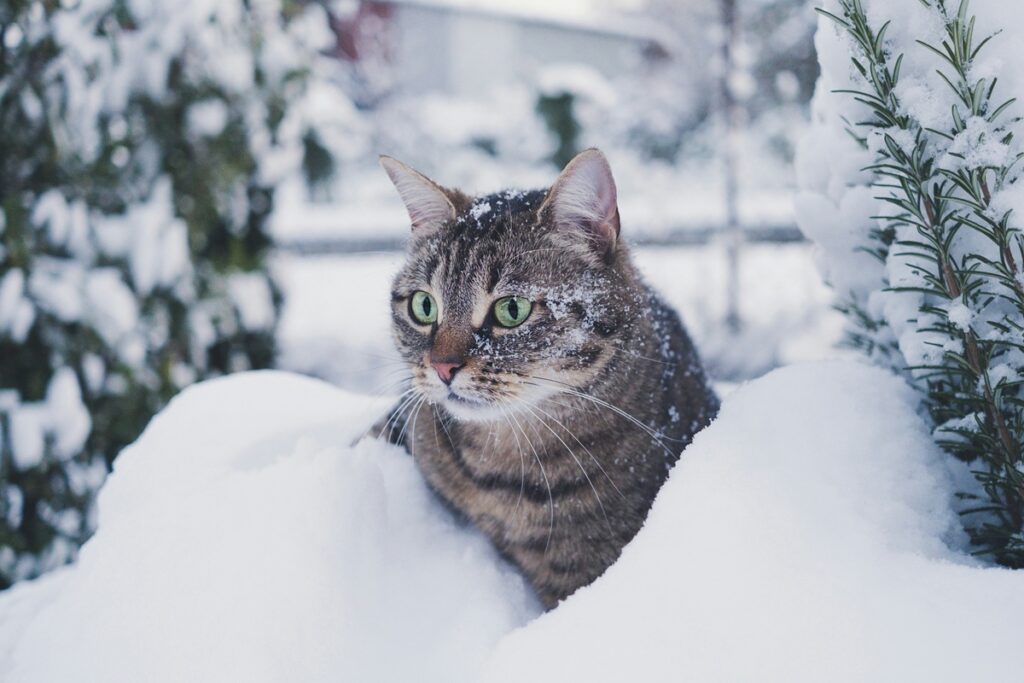
Feral cats, wild rabbits, squirrels, and other wild animals seek warmth in the winter, often finding shelter under the hood of vehicles. Always check under the hood of your car before you start it in the winter, just in case an animal is using it for shelter.
2. Know your local laws.
Those of us who love animals want to help all animals, including the wild ones. We might want to put out food and water and create shelters for the feral cats in our neighborhood, for example. However, before you do any of that, check your local laws. Some towns have ordinances that forbid feeding or providing shelter for feral cats and wild animals.
3. Provide fresh water.
Fresh water can help wildlife and feral cats stay hydrated, especially when other water sources are frozen. You can purchase a heated water bowl so the water doesn’t freeze or, if you prefer, keep an eye on the water and change it before it freezes. Whichever option you choose, remember to change the water daily and clean the bowl to prevent algae and bacteria growth.
4. Use pet safe salt.
As we mentioned before, opt for pet-safe salt to keep your pets, feral cats, and wildlife safe. If you use antifreeze, try to use it in an area where animals usually don’t go, and always store it out of the reach of pets and outdoor animals.
5. Provide shelter for feral cats.
If it is not against the law in your town, consider buying or creating a shelter if you have feral cats. You can find insulated outdoor shelters online or you can use a large plastic tub, cut out an entrance, and fill it with straw for insulation. Cats can burrow in the straw for warmth.
Winter in Pennsylvania tends to throw a lot of different weather – cold, snow, ice – at us, making it essential for us to prepare for the “what if’s.” Planning for what will happen will help us stress less when the bad weather hits.